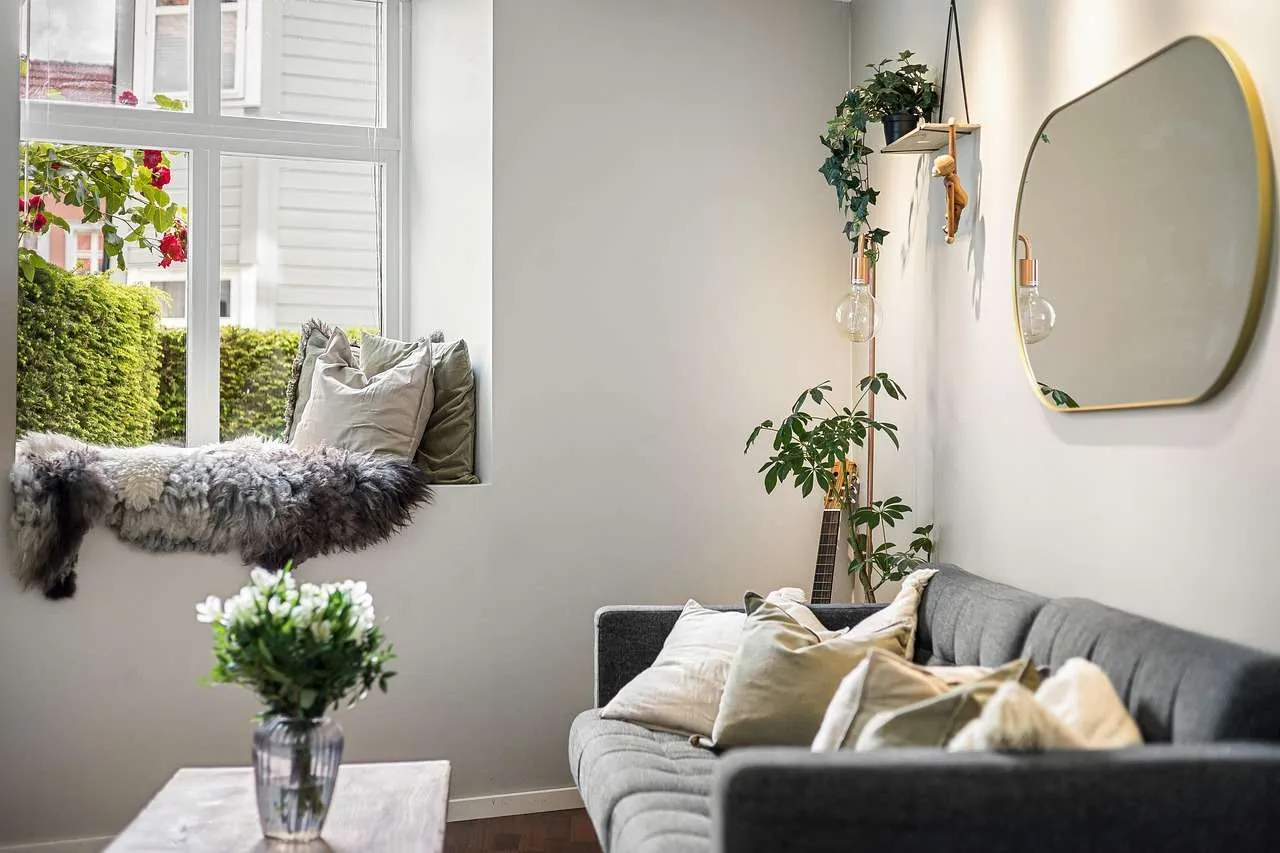
Home window tinting elevates a house beyond aesthetics into practical comfort. By applying a thin film to glass, homeowners can control heat transfer, UV exposure, glare, and privacy while preserving natural light.
What is home window tinting?
Window tinting refers to applying a translucent film to interior or exterior glass. Modern solar films are engineered to reject infrared heat while letting visible light pass through. When chosen properly and installed by a qualified technician, tinting can transform a home's energy performance without darkening interiors excessively.
For EEAT, rely on licensed installers, accept manufacturer certifications (such as 3M or LLumar), and request lab-tested data on heat rejection, UV protection, and warranty terms.
Benefits of home window tinting
- Reduces UV exposure to protect furnishings and skin (typically up to 99% UV rejection).
- Improves energy efficiency by cutting heat transfer, lowering cooling costs.
- Enhances privacy while preserving daylight.
- Reduces glare on screens and shiny surfaces, improving comfort.
- Extends interior life by minimizing fading and temperature swings.
Types of tint and how they work
There are several common residential tint technologies. Here is a quick comparison to help homeowners decide what fits their climate and style.
| Tint Type | UV Rejection | Heat & Glare | Durability | Cost | Best For |
|---|---|---|---|---|---|
| Dyed | Moderate | Fair | Low to Moderate | Low | Budget projects, privacy |
| Metalized | Very High | High | Moderate to High | Medium | Heat removal, durability |
| Ceramic | Very High | Excellent | Very Durable | High | Premium comfort, clear view |
| Carbon | High | Very Good | High | Medium-High | Tinted appearance, heat control |
| Hybrid | High | Good | High | Medium | Balanced performance |
Notes: Ceramic and carbon films are popular for homes due to their stable performance and reduced interference with electronics. Always verify heat rejection and UV data from the manufacturer and ensure your installer provides a warranty and proper certification.
Choosing a professional vs DIY
For home window tinting, professional installation is strongly recommended. Improper cutting, bubbling, or edge peel can ruin the glass look and reduce performance. Look for licensed, insured installers who specialize in architectural films and offer manufacturer-backed warranties (often 5–15 years). Ask about certifications from brands such as 3M, LLumar, or SunTek, and request sample data showing visible light transmission (VLT) and heat-reduction metrics for your neighborhood climate.
Cost, ROI, and maintenance
Home window tinting costs vary by film type, window size, and number of panes. Typical residential films range from $5 to $12 per square foot for mid-range products, with premium ceramic or carbon films sometimes exceeding $12 per square foot. Expect professional installation to add 1–3 hours per day of window work depending on your home. ROI comes from reduced cooling loads, less interior fading, and improved comfort, often paying back within a few years in hot climates. Maintenance is straightforward: clean with non-ammonia cleaners and soft cloths to avoid scratches; avoid abrasive wipes on coated surfaces.
Maintenance is straightforward: clean with non-ammonia cleaners, using a soft microfiber cloth. Avoid abrasive materials and ammonia-based products which can degrade films over time.
Frequently asked questions
How long does home window tinting last? Most residential films carry 5–15 year warranties, with ceramic films often lasting longer. Will tint affect natural light? Modern films preserve daylight while reducing glare. Can I tint over existing film? A professional should assess old films for bubbling and adhesion. Does climate affect choice? Yes—hot sunny regions benefit most from higher heat rejection films.
Conclusion
Conclusion: With the right tint, a home can enjoy UV protection, energy savings, privacy, and an improved interior experience. Choose a qualified installer, pick a film that matches climate and aesthetics, and maintain the film per manufacturer guidelines to maximize value and comfort.